
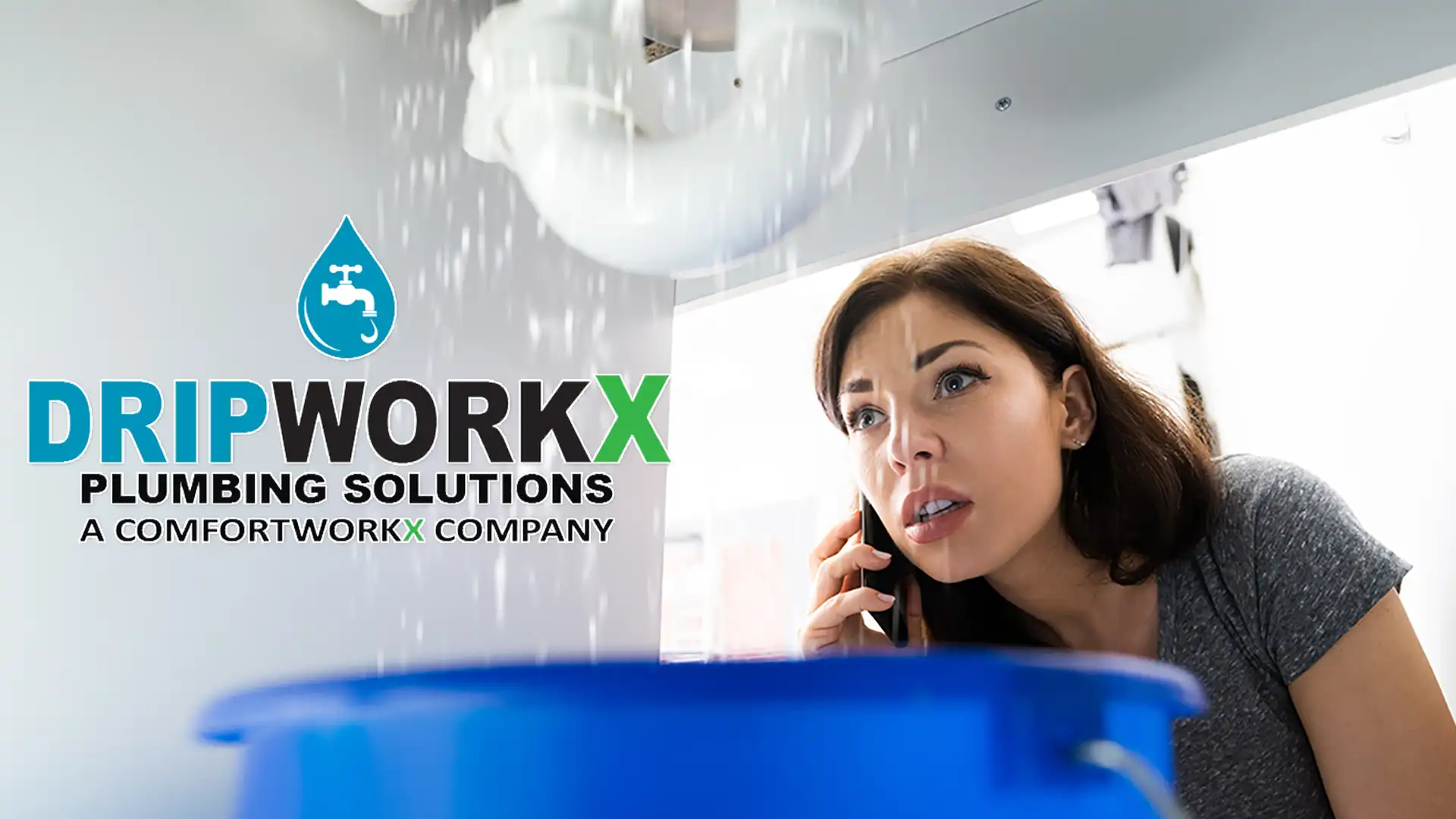
DIY home repair has never been more popular. With thousands of tutorials online, it can feel like almost any plumbing issue is something you can handle with a wrench, a trip to the hardware store, and a little patience. And in some cases, that’s true.
But plumbing is also one of those systems where a small mistake can turn into expensive water damage, mold growth, or even structural issues in your home. The real challenge is knowing where the line is between a simple fix and a problem that requires a licensed plumber.
This guide breaks down when it’s safe to handle plumbing yourself, when you should stop and reassess, and when calling a professional is the smartest—and often cheapest—decision.
Simple Plumbing Fixes You Can Usually Handle Yourself
Not every plumbing issue requires a professional. There are a few minor problems that many homeowners can safely address.
Common DIY-friendly plumbing tasks include:
- Replacing a showerhead
- Unclogging a sink or tub with a plunger
- Tightening a loose faucet handle
- Replacing a toilet flapper or fill valve
- Cleaning a sink aerator
- Resetting a garbage disposal (if it’s a simple jam)
These issues are typically surface-level, meaning they don’t involve opening walls, working with pressurized water lines, or dealing with sewer systems.
If the problem is visible, accessible, and doesn’t involve hidden plumbing, it’s usually safe to try a DIY fix.
When DIY Plumbing Starts to Become Risky
Many plumbing problems appear simple at first but are actually symptoms of a deeper issue. This is where things can go wrong quickly.
You should be cautious if:
- The same issue keeps coming back
- You’re dealing with water behind walls or ceilings
- You can’t identify where the problem is coming from
- You need to shut off multiple water lines
- You notice changes in water pressure or temperature
At this point, the problem is likely not surface-level anymore. Continuing to guess or repeatedly trying fixes can make the issue worse.
When You Should Call a Plumber Immediately
There are certain situations where DIY should stop completely. These are cases where delaying or attempting repairs yourself can cause significant damage.
Call a plumber right away if you have:
1. Burst or Active Pipe Leaks
If water is actively spraying or flooding, this is an emergency. A burst pipe can release gallons of water in minutes, leading to:
- Flooring damage
- Wall damage
- Mold growth
- Electrical hazards
Shut off your main water supply and call a plumber immediately.
2. Sewer Line Backups
If multiple drains are backing up or you smell sewage, the problem is likely in the main sewer line.
Warning signs include:
- Toilets bubbling or gurgling
- Water backing up in tubs or showers
- Sewer odors inside or outside the home
This is not a DIY situation and requires professional equipment to diagnose and clear.
3. No Hot Water
If your water heater stops producing hot water entirely, the issue could involve:
- Heating elements
- Gas supply issues
- Electrical failure
- Tank failure
Water heaters involve electricity or gas, both of which can be dangerous if handled incorrectly.
4. Hidden or Repeated Leaks
If you suspect a leak but can’t find it, or you’ve “fixed” it but it keeps coming back, the issue may be behind walls or under floors.
Hidden leaks can cause:
- Mold growth
- Structural damage
- High water bills
- Rotting wood framing
Professional leak detection is the safest way to locate and repair these issues.
5. Major Drop in Water Pressure
Sudden water pressure loss throughout your home can indicate:
- Pipe corrosion
- Hidden leaks
- Water line issues
- Municipal supply problems
If it affects multiple fixtures, it’s likely not a simple faucet issue.
Why DIY Plumbing Often Costs More in the Long Run
Many homeowners attempt DIY repairs to save money. While that can work for small fixes, plumbing mistakes often create larger problems.
Common DIY mistakes include:
- Over-tightening fittings and cracking pipes
- Using the wrong sealants or materials
- Partially clearing a clog instead of removing it
- Misdiagnosing the real cause of the issue
- Causing hidden leaks inside walls
What starts as a $20 repair can easily become a $500–$5,000 problem if water damage occurs.
The “Rule of Thumb” for Plumbing Decisions
A simple way to decide:
Ask yourself these three questions:
1. Is water actively leaking or causing damage?
If yes → call a plumber.
2. Do I fully understand what’s causing the problem?
If no → be cautious, it may require diagnostics.
3. Does this involve pipes behind walls, underground lines, or gas/electric systems?
If yes → call a professional.
If you answer “no, yes, or unsure” to any of these, it’s usually safer to get expert help.
What a Professional Plumber Brings That DIY Can’t
A licensed plumber doesn’t just “fix the symptom”—they identify the root cause.
Professional advantages include:
- Proper diagnostic tools (camera inspections, leak detection equipment)
- Knowledge of building codes
- Experience with complex systems
- Access to commercial-grade materials
- Ability to prevent recurring issues
This often results in a permanent solution rather than a temporary fix.
Common Questions Homeowners Ask
“Is it worth calling a plumber for a small leak?”
Yes. Even small leaks can waste hundreds of gallons of water per month and often indicate a larger issue developing in the system.
“Can I unclog a main drain myself?”
You can try basic plunging, but main line clogs usually require professional equipment like drain snakes or hydro jetting. DIY methods often only clear partial blockages.
“How do I know if it’s an emergency?”
If water is actively leaking, sewage is backing up, or you have no water or hot water, treat it as an emergency.
“What if I already tried fixing it and it didn’t work?”
Repeated DIY attempts can make diagnosis harder. At that point, it’s best to stop and have a plumber evaluate the system.
Final Thoughts
DIY plumbing is great for small, simple tasks—but it has clear limits. The key is recognizing when a problem is cosmetic versus when it signals a deeper issue inside your plumbing system.
If you’re dealing with anything involving hidden leaks, sewer lines, water heaters, or recurring problems, calling a plumber early usually saves time, money, and stress.
A good rule is simple: if you’re unsure, it’s already worth getting a professional opinion.
Plumbing systems are interconnected, and what looks like a small issue on the surface is often part of a larger system problem beneath it.